Table of Contents
- Introduction: The Rise of Regenerative Agriculture as a Tool for Climate Resilience & Profitability
- Core Principles of Regenerative Agriculture in 2026
- 7 Powerful Ways to Boost Soil Health in 2026
- Comparative Effectiveness Table: Regenerative Practices
- Sector-Wise Relevance & Application in 2026
- Implementation Pathways: Building Resilience in 2026
- How Farmonaut Empowers Regenerative Agriculture
- Key Insights, Pro Tips & More
- FAQs: Regenerative Agriculture & Soil Health in 2026
- Conclusion: Soil Health for a Resilient, Profitable Future
“Regenerative agriculture can increase soil organic matter by up to 21% in just five years, enhancing crop yields sustainably.”
7 Powerful Ways to Boost Soil Health in 2026
In a world facing new agricultural, economic, and climatic extremes, soil health stands at the heart of regenerative agriculture, driving resilience, yield stability, and profitability across crops, forestry, and diversified land use. The rise of regenerative agriculture as a practical, scalable tool is driven by urgent demand for climate-smart production, reduced input costs, and ecosystem stewardship heading into 2026. These regenerative practices — from cover cropping to precision input management — enable farms, businesses, and land managers to align with market forces and regulatory shifts toward sustainable, biodiverse, and resilient food systems.
From rebuilding soil organic matter and increasing carbon sequestration to improving water infiltration and enhancing biodiversity, regenerative techniques are designed to restore ecosystem structure, optimize resource use, and reduce environmental pressures. As we approach 2026, the evolving role of precise data — including carbon footprint monitoring and real-time satellite diagnostics — accelerates the adoption of eco-friendly, productive systems across diverse sectors.

The Rise of Regenerative Agriculture as a Tool for Climate Resilience and Farm Profitability in 2025-2026
Regenerative agriculture is gaining traction across global agriculture and forestry for its ability to restore soil health, increase carbon storage, and create economic gains by cutting input costs and fostering biodiversity. In 2026 and beyond, the focus is on practical pathways to healthy soils, resilient production, and adaptive systems that align with both climate goals and shifting market expectations.
Core Principles of Regenerative Agriculture in 2026
Regenerative agriculture centers on rebuilding and sustaining soil health by enhancing organic matter, supporting biodiversity, and creating robust ecosystem services. The following core principles — increasingly recognized and adopted in 2025 and 2026 — support production, environmental, and economic targets:
- Soil Health First: Minimize disturbance (low or no-tillage), keep soil covered (mulches, cover crops), maintain living roots year-round, and embrace diverse rotations to restore soil structure, boost microbial life, and improve resilience.
- Biodiversity & Ecosystem Services: Through intercropping, agroforestry, hedgerows, and cover planting, we create habitats for pollinators, beneficial insects, and soil microbes, reducing pest pressures and external inputs.
- Water Cycle Resilience: Improved infiltration, deeper root systems, and soil cover increase drought and flood buffers — critical as rainfall becomes more erratic across farming regions.
- Integrated Nutrient Management: Enhance nutrient cycling via composts, legume integration for nitrogen fixation, and data-led, precise amendments to reduce synthetic fertilizer reliance.
- Animal Integration: Managed grazing and silvopasture align livestock with vegetative regrowth cycles, returning nutrients to the soil and helping in carbon sequestration.

7 Powerful Ways to Boost Soil Health in 2026
- Cover Cropping
- Reduced/No-Tillage Practices
- Compost and Organic Amendments
- Diversified Crop Rotations
- Agroforestry & Edge Planting
- Integrated Livestock & Managed Grazing
- Precision Input & Soil Monitoring
By prioritizing these seven regenerative practices, land managers can achieve soil rebuilding, stabilize yields, lower input costs, and improve ecosystem services — foundational for sustainable agriculture, forestry, and mineral restoration throughout 2026 and beyond.
Cover cropping not only protects soil but also breaks pest & disease cycles and reduces synthetic fertilizer need — making it a core approach to climate, yield, and biodiversity gains.
1. Cover Cropping
Introducing non-harvested crops between main cropping cycles (cover crops) restores organic matter, improves soil structure, boosts microbial life, and suppresses weed and pest populations. Legumes, vetch, clovers, and multi-species covers fix nitrogen and expedite nutrient cycling. In rain-fed and semi-arid zones, deep-rooted covers such as rye and radish enhance infiltration and help buffer periods of drought.

- ✔ Key benefit: Restores soil health and reduces chemical demand
- 📊 Data insight: Can add 0.2–0.7% organic matter per year depending on species & management
- ⚠ Limitation: Requires careful rotation planning in water-scarce areas
2. Reduced/No-Tillage Practices
Minimizing or eliminating soil disturbance maintains soil structure, protects beneficial microbial life, and preserves living roots essential for moisture and nutrient retention. No-till and conservation-till systems help reduce runoff, erosion, and input costs while improving carbon sequestration. Farmers using reduced tillage align with the need for low-energy, eco-friendly systems, especially where extreme weather threatens exposed soils.

- ✔ Key benefit: Reduces erosion, enhances water retention, and cuts labor & fuel
- 📊 Data insight: No-till systems can sequester 0.4–1.1 tons CO2/hectare/year
- ⚠ Limitation: Transitioning fields may temporarily host higher weed pressure
3. Compost and Organic Amendments
Application of composts and organic soil amendments — from farmyard manure to green waste — replenish microbial life, enhance structure, and boost nutrient cycling. By returning organic residues, farms lower dependence on synthetic fertilizers and stabilize soil carbon pools. Compost management aligns with sustainable waste recycling, regulatory demands, and strengthens the buffering capacity against droughts and floods.

- ✔ Key benefit: Rebuilds organic matter and boosts crop yields
- 📊 Data insight: Regular applications can increase soil microbial biomass by 12–21% over five years
- ⚠ Limitation: Quality control is vital to avoid weed seed and pathogen introduction
4. Diversified Crop Rotations
Integrating a broader range of crops in rotation disrupts pest and disease cycles, boosts soil structure, and enhances ecosystem resilience. Rotating cereals with legumes, brassicas, or cover species maximizes nutrient cycling and fosters pollinator support, while supporting long-term gains in yield stability and profitability.
- ✔ Key benefit: Reduces pest pressures and disease carryover
- 📊 Data insight: Farms with 3+ crop rotations report up to 28% lower pesticide/fertilizer use
- ⚠ Limitation: Market access and logistics for non-traditional crops may need evaluation

5. Agroforestry & Edge Planting
Integrating trees, shrubs, and perennial vegetation — whether as hedgerows, boundaries, or silvopasture — stabilizes slopes, buffers wind, protects soils from erosion, and enhances carbon sequestration. Agroforestry is ideal for improving biodiversity services in both farming and post-mining landscapes, while supporting timber, fruit/nut, and non-timber product diversification.
- ✔ Key benefit: Aligns biodiversity enhancement with income diversification
- 📊 Data insight: Agroforestry systems increase soil organic carbon by 2–4 t/ha over 10 years
- ⚠ Limitation: Tree establishment requires upfront investment and long-term vision

6. Integrated Livestock & Managed Grazing
Rotational and adaptive grazing (regrowth cycles) preserve pasture health, return nutrients to the soil, stimulate vegetative recovery, and mitigate compaction. Managed grazing systems — such as silvopasture — link animal integration with plant and soil carbon cycles, creating synergies between livestock, forages, and farm profitability.
- ✔ Key benefit: Expands soil carbon sequestration and nutrient cycling
- 📊 Data insight: Well-managed pastures can sequester 1–3 t/ha/yr carbon equivalents
- ⚠ Limitation: Overstocking or mismanagement increases compaction or runoff
7. Precision Input & Soil Monitoring
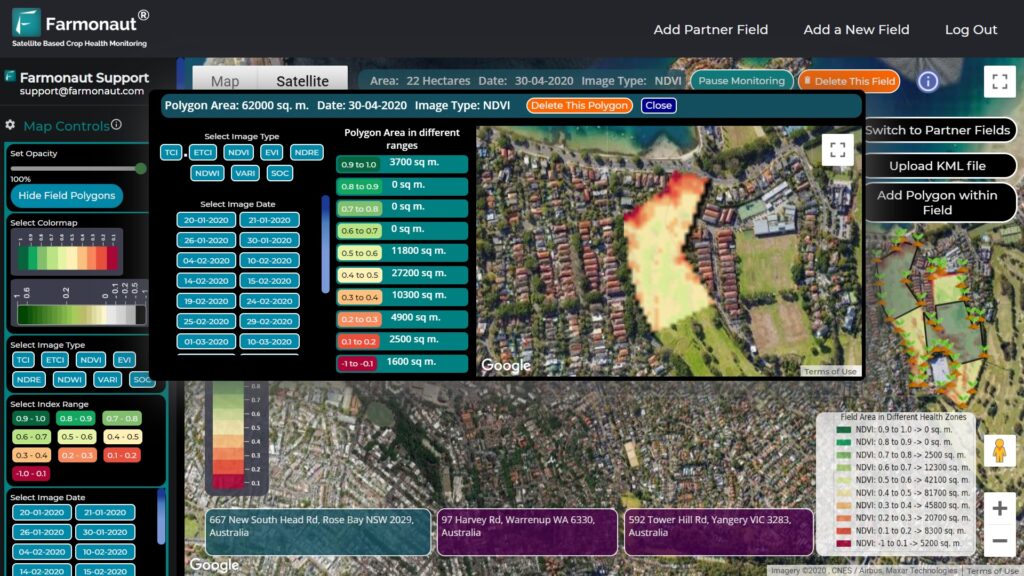
Data-driven strategies — using precision soil testing, satellite tools, and real-time management platforms — enable tailored amendments and site-specific input application. These systems optimize nutrient use, cut synthetic input waste, and provide timely insights on soil health indicators. By tracking changes in soil organic matter, infiltration, and crop performance, precision platforms align amendments to actual needs and reduce environmental risk.
- ✔ Key benefit: Maximizes yield and input savings while reducing waste
- 📊 Data insight: Farms applying precision techniques report typical input reductions of 15–30%
- ⚠ Limitation: Requires capacity building and data literacy



“Biodiverse farms report up to 30% lower input costs while improving climate resilience and long-term soil health.”
Comparative Effectiveness Table: 7 Regenerative Soil Health Practices (2026)
| Practice | Soil Health Impact | Yield Improvement (%) | Input Cost Reduction (%) | Biodiversity Enhancement | Climate Resilience Benefit |
|---|---|---|---|---|---|
| Cover Cropping | Restores organic matter, soil biology | 6–15% | 10–20% | High | Buffers droughts, improves infiltration |
| Reduced/No-Till | Preserves soil structure, minimizes compaction | 5–12% | 10–15% | Medium | Reduces runoff, stabilizes yields |
| Compost Amendments | Increases microbial activity, replenishes nutrients | 8–18% | 12–21% | Medium | Enhances water-holding, reduces stress |
| Diversified Rotations | Improves soil, breaks pest cycles | 7–16% | 10–25% | High | Reduces pest/disease volatility |
| Agroforestry | Increases organic carbon, stabilizes land | 5–13% | 10–15% | High | Reduces erosion, supports water cycle |
| Managed Grazing | Improves structure, increases nutrients | 6–14% | 8–15% | Medium | Buffers climate extremes |
| Precision Input & Monitoring | Targets amendments, monitors indicators | 7–20% | 15–30% | Medium | Reduces risk, ensures responsive management |
Sector-Wise Relevance & Application in 2026
Regenerative agriculture extends benefits across sectors, reshaping practices in farming, forestry, mining, and post-industrial land restoration. Each sector adapts regenerative practices to align with ecosystem services, market expectations, and regulatory mandates.
A. Agriculture
- Farmers adopt cover crops, crop diversification, and conservation tillage to lower input costs while preserving yields.
- Precision testing tools guide tailored amendments, boosting soil health and avoiding environmental waste.
- Transition to organic and sustainable systems, unlocking crop loan and insurance verification and access to green supply chains.
B. Forestry & Agroforestry
- Integrating trees with crops/pastures enhances carbon storage, stabilizes soils, and diversifies production (timber, fodder, fruit/nut, carbon credits).
- Agroforestry practices increase buffer zones, pollinator corridors, and ecological resilience on sloped or degraded lands.
C. Mining, Minerals & Infrastructure Land Uses
- Restoration post-extraction uses compost, seed mix, and erosion control tailored to site restoration.
- Carbon footprint monitoring (see Farmonaut Carbon Footprinting) aids compliance and regulatory approvals.
- Reduces risk and supports acceptance by local and regulatory stakeholders.
D. Gemstones & Minerals Supply Chains
- Regenerative land management reduces externalities and enables blockchain-based traceability of responsible resource sourcing.
- Supports market-driven biodiversity and carbon standards along global supply chains.
- 🌱 Soil carbon sequestration for long-term productivity
- 💧 Water efficiency and reduced drought risk
- 🦋 Biodiversity support for ecosystem stability
- 💸 Lower input costs and improved yield consistency
- 🌎 Market access to sustainability-linked premiums and credits
Implementation Pathways: Building Resilience in 2026
Moving from principles to practice requires measurable, adaptive steps — aligning with each region’s soils, climate, and market realities, and embedding risk-mitigation tools for success.
Step 1: Farm-Scale Soil Assessment
- Evaluate base indicators: organic matter, microbial activity, structure, compaction, and water infiltration.
- Tailor practices to field variability using satellite-driven monitoring and soil mapping tools.
Step 2: Phased Regenerative Plan
- Year 1: Reduce tillage, add a winter cover crop, integrate compost applications.
- Year 2: Expand crop rotations, start hedgerow or agroforestry planting.
- Year 3: Optimize grazing and organic amendments; begin tracking carbon and soil health indicators using digital or satellite tools.
Step 3: Invest in Capacity-Building
- Access knowledge through farmer cooperatives, extension, and demonstration sites.
- Empower teams with real-time data and advisory systems like those enabled by Farmonaut Jeevn AI.
Step 4: Track and Share Benefits
- Document soil health changes: carbon, structure, water infiltration, biodiversity indicators.
- Leverage sustainability premiums, green procurement, and carbon credit markets for financial reward.
Step 5: Risk Management and Market Alignment
- Use blockchain traceability to demonstrate compliance and access new value chains.
- Pursue insurance & financing linked to regenerative performance (see Farmonaut crop loan/insurance solutions).
Use batch-recorded soil monitoring apps linked with Farmonaut platform to efficiently track changes, reduce paper logs, and support compliance for sustainability credits.
How Farmonaut Empowers Regenerative Agriculture
As regenerative agriculture grows in relevance and complexity, affordable, real-time, and intelligence-driven soil health tools accelerate profitable decision-making across sectors. At Farmonaut, we leverage advanced satellite imagery, AI advisory, and blockchain systems to:
- 🌐 Deliver timely crop, soil, carbon, and water monitoring at field, business, or national scale — accessible via web, mobile, or API.
- 🤖 Enable Jeevn AI-based decision support for regenerative rotations, timing, and risk alerts tailored to each farm or mining operation using multispectral satellite insights.
- 🔗 Facilitate traceability and compliance in food and mineral supply chains with blockchain technology, boosting access to green and impact markets.
- 🌱 Track carbon footprint and environmental indicators for robust climate reporting (carbon footprinting solution).
- 📈 Improve sustainability-linked credit access for farms and businesses by providing validated data to lenders and insurers (crop loan/insurance product).
📚 API Developer Docs: Integrate soil and crop intelligence into your platform.
Adopting regenerative practices without proper baseline soil testing can lead to suboptimal results. Always start with an assessment tailored to your soil type, climate, and cropping history.
Markets are shifting rapidly: Farms with robust carbon reporting, traceability, and adaptive soil health systems are increasingly favored for investment and sustainability-linked procurement.
Diversifying rotations — combining cereals, legumes, root, and cover crops — maximizes ecosystem service gains while reducing overall input costs and stabilizing yields in the face of climate extremes.
FAQs: Regenerative Agriculture & Soil Health in 2026
Q1: What makes regenerative agriculture particularly relevant in 2026?
Rapid shifts in climate conditions, new regulatory demands, and market pressures for sustainability mean regenerative agriculture offers a practical, scalable solution for stable yields, reduced input costs, and increased soil and water resilience. Advances in satellite, AI, and real-time monitoring support precise implementation and compliance.
Q2: How quickly can improvements in soil organic matter and carbon be seen?
With full adoption of cover cropping and compost, measurable increases in organic matter and carbon sequestration can occur in 1–3 years, with up to 21% increases in soil organic matter recorded over five years — supporting yield stability and long-term profitability.
Q3: Are these practices feasible for smallholders and large enterprises alike?
Yes. The principles scale across farm sizes and sectors, particularly with digital monitoring tools (like Farmonaut’s platform) which democratize access to precision data, input recommendations, and compliance-ready reporting.
Q4: What role do biodiversity-enhancing practices play in pest and disease control?
Increased intercropping, hedgerows, and agroforestry stimulate natural predator and pollinator populations, reducing pesticide need and lowering the risk of pest and disease outbreaks — essential for long-term system resilience.
Q5: How do satellite and AI technologies support regenerative adoption?
Platforms such as Farmonaut enable real-time, large-scale soil, water, and crop monitoring with targeted insights, enhancing farm management, regulatory compliance, risk alerts, and access to green finance via objective data.
Conclusion: Soil Health for a Resilient, Profitable Future
As climate extremes, resource scarcity, and market demands converge, focusing on soil health through the seven regenerative tools detailed above paves the way for resilient, profitable, and sustainable farm, forestry, and land management systems through 2026 and beyond. By embracing cover cropping, reduced tillage, compost, diversified rotations, agroforestry, managed grazing, and precision input management, producers can:
- ✔ Restore soil structure and boost organic matter
- ✔ Reduce input costs while maintaining or increasing yields
- ✔ Demonstrate compliance and traceability for better markets
- ✔ Build climate resilience and mitigate weather extremes
- ✔ Unlock premium finance and sustainability-linked rewards
With tools like Farmonaut’s satellite-driven platform and associated real-time insights, every land manager — from farmer to forester to post-mining steward — can measure, manage, and maximize soil and ecosystem health for lasting productivity, profitability, and planetary wellbeing.