7 Powerful Irrigation Strategies for Sustainable Yields
“Precision irrigation can reduce water usage by up to 50% while maintaining or increasing crop yields.”
“Climate-smart irrigation strategies can boost farm resilience to drought by as much as 30%.”
Table of Contents
- Introduction
- Key Drivers of Climate-Resilient Irrigation
- 7 Core Irrigation Strategies for Sustainable Yields in 2026 & Beyond
- Comparative Performance Table: Irrigation Strategies
- Applications Across Agriculture, Forestry, and Related Industries
- Benefits, Challenges & Future-Proofing Sustainable Water Use
- Key Performance Indicators For Sustainable Irrigation
- Policy, Research & Digital Transformation for 2025 & Beyond
- Frequently Asked Questions
- Conclusion: Impact of Climate-Resilient Irrigation on Sustainable Agriculture (2025 Perspective)
Introduction
As we approach 2026, the crossroads faced by global agriculture, forestry, mining, and related extractive industries grows sharper. Intensifying climate variability is no longer a future risk—it’s a present reality. Water scarcity, aquifer decline, weather extremes, and changing regulatory landscapes demand a climate-resilient approach to irrigation. These shifts place irrigation systems at the heart of modern sustainable agriculture, positioning them as key drivers for yield stability, environmental stewardship, and resilience.
Integrated, efficient, and precision irrigation technologies are not just about maximizing productivity—they’re critical for reducing freshwater withdrawal, energy consumption, and greenhouse gas emissions across industries. In this comprehensive guide, we explore the seven most effective and innovative irrigation strategies that enable us to boost yields, secure resource use, and better adapt to a rapidly changing climate in 2026 and beyond.
Key Insight
Did you know? Precision irrigation—when combined with digital soil moisture sensors—can directly lower water withdrawals by up to 50% in many water-scarce regions, all while supporting higher crop yields.
Key Drivers of Climate-Resilient Irrigation
Multiple forces, both environmental and regulatory, are converging to make cutting-edge irrigation a non-negotiable pillar of sustainable yields in 2026. Here are the most influential drivers shaping irrigation approaches:
- ✔ Water scarcity & aquifer decline: Irrigation already accounts for 70–90% of global freshwater withdrawals. Improving efficiency is essential to relieve stress on rivers, wetlands, and downstream communities.
- ⚠ Weather extremes & climate variability: More frequent droughts, heatwaves, and erratic rainfall patterns disrupt crop phenology, reducing productivity and yield stability.
- 📊 Energy demand & emissions: Pumping and pressurization dominate farm energy use. Efficient systems reduce greenhouse gas emissions while cutting operating costs.
- 🔑 Regulatory signals: Water rights restrictions, tiered pricing, groundwater regulations, and certification schemes now reward water-smart production and penalize wasteful practices.
- ✔ Market and consumer demand: End-users and certification bodies increasingly value proof of sustainable irrigation practices, efficient resource use, and climate resilience in supply chains.
Investor Note
Investment in climate-resilient irrigation offers both short-term gains in yield and long-term sustainability, making it a strategic priority for agribusiness, forestry, and mining decision-makers in 2026.
7 Core Irrigation Strategies for Sustainable Yields in 2026 & Beyond
Let’s take a deep dive into the seven most powerful, climate-smart irrigation strategies that empower sustainable agriculture, forestry, and extractive industries. Each strategy integrates efficiency, precision, resource stewardship, and resilience for secure, high-quality yields:
1. Sensor-Based & Data-Driven Irrigation Scheduling
At the forefront of irrigation efficiency in 2026 is the integration of sensors, meteorological data, and AI-driven models. Modern soil moisture probes, tensiometers, and remote sensing platforms deliver continuous data on real-time soil moisture, evapotranspiration rates, and crop water uptake.
By assimilating weather forecasts and in-field conditions, digital controllers can dynamically schedule irrigation events that match crop water demand precisely—minimizing excess use, preventing root zone leaching, and stabilizing yield and quality, even during climate extremes.
- ✔ Boosts water efficiency per crop by up to 35%
- 📊 Provides weather-adaptive scheduling for better yield and nutrient management
- ⚠ Requires robust data management and calibration of sensors to local soil types
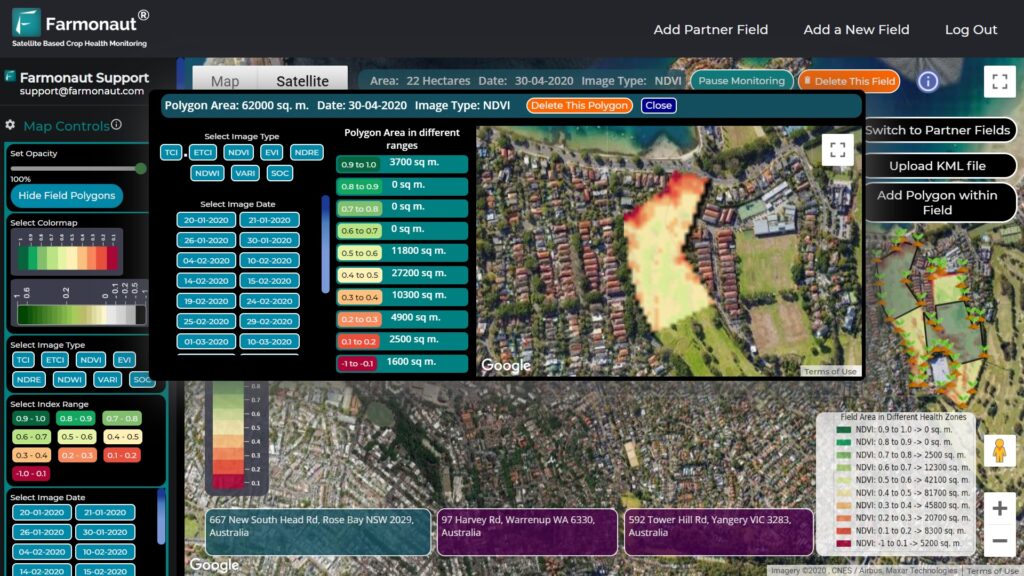
Remote monitoring apps—such as those powered by Farmonaut’s satellite imagery and Jeevn AI Advisory System—offer actionable insights on soil moisture, water stress, and weather risks. These enable field managers and farmers to make informed, site-specific irrigation decisions with confidence.
2. Precision Irrigation Technologies: VRI, Drip & Subsurface
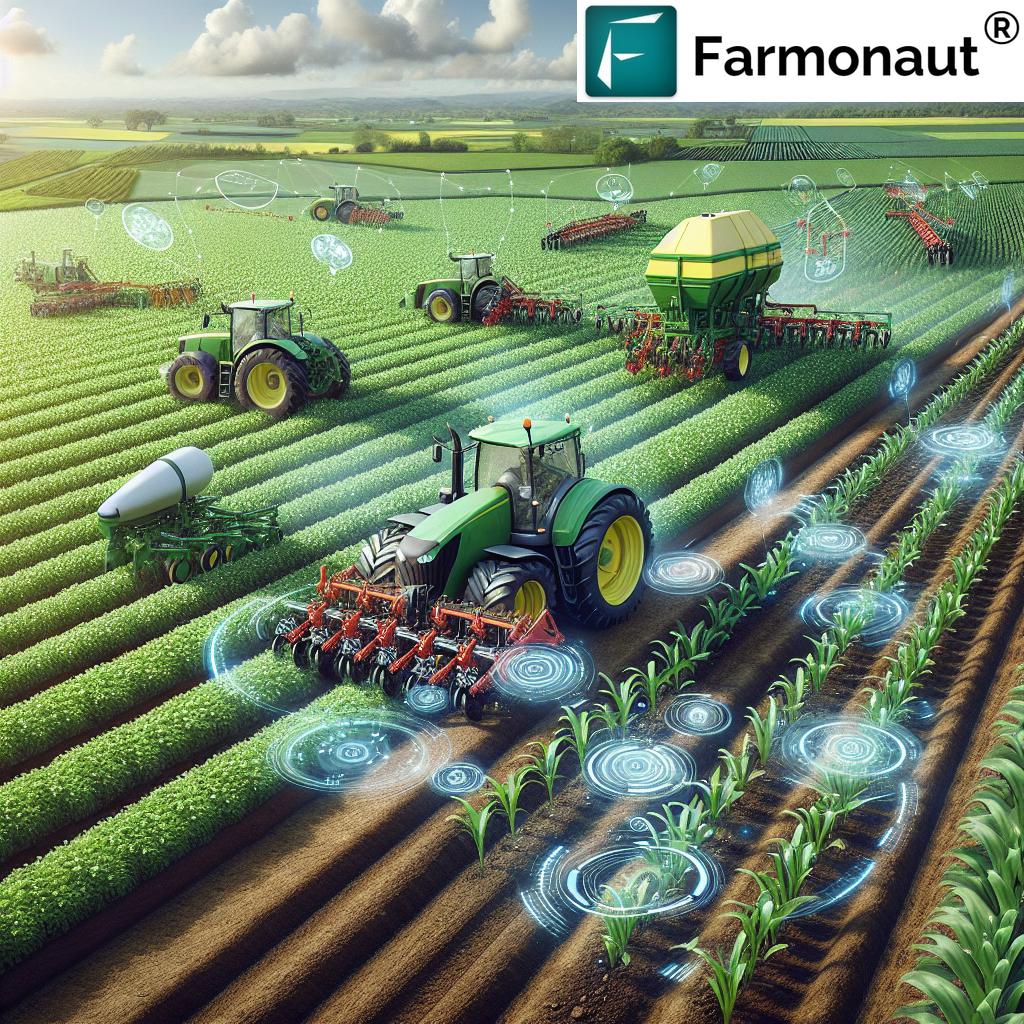
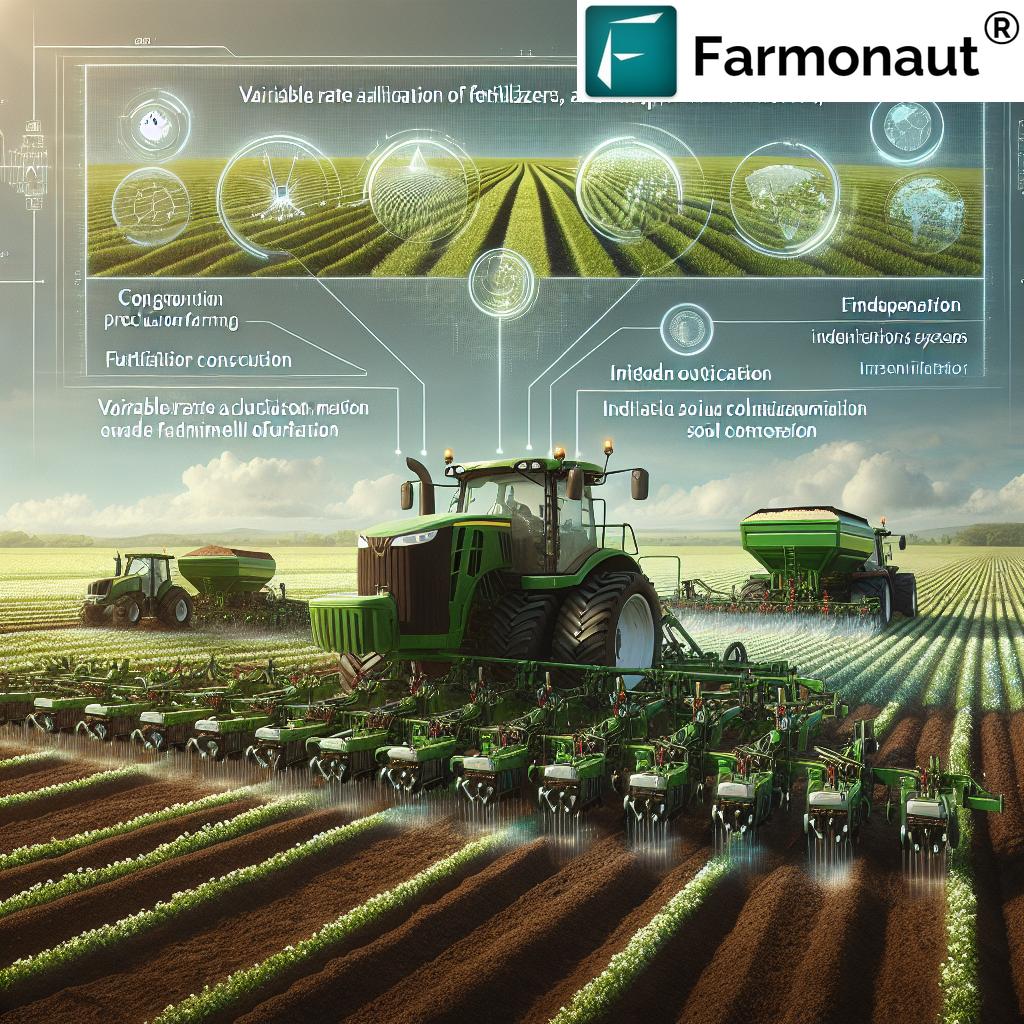
Precision irrigation approaches, including Variable-Rate Irrigation (VRI), drip irrigation, and subsurface drip irrigation (SDI), have transformed the ability to target water application exactly where and when it is required:
- ✔ Drip & trickle systems deliver water directly to the plant root zone, drastically reducing losses from evaporation and runoff.
- 📊 Variable-rate irrigation (VRI) uses soil and crop data to adjust irrigation amounts across different field zones for maximum efficiency.
- ⚠ Subsurface systems require careful installation but offer unparalleled efficiency and water savings.
Scalable automation and smart controllers enable real-time adjustments in flow rate and timing, maximizing water productivity and supporting sustainable practices—even on large, commercial farms.

3. Water Harvesting, Rainwater Collection & Reuse
With freshwater supplies under growing pressure, on-farm water harvesting and reuse systems are now vital:
- ✔ Rainwater collection tanks, contour bunds, and constructed wetlands expand the available water resource base—particularly in dryland regions.
- 📊 Treated effluent and greywater reuse supports peri-urban agriculture and agroforestry, as well as rehabilitation of post-mining landscapes.
- ⚠ Must be managed carefully to comply with water quality standards and crop safety regulations.
By broadening access to non-freshwater sources, systems achieve more resilient yields and direct reductions in withdrawal from stressed aquifers and rivers. Constructed wetlands offer the additional benefit of improved ecosystem health, supporting local biodiversity and mitigating nutrient runoff.

4. Efficient Irrigation System Design & Energy Management
A significant share of irrigation water is lost before reaching crops—via leaky canals, inefficient pumps, or poorly pressurized systems. Efficient infrastructure design is critical:
- ✔ Lining canals and piping systems reduces water seepage and prevents erosion.
- 📊 High-efficiency, variable-speed pumps cut energy intensity per hectare by up to 30%.
- 🌍 Automation, pressure regulators, and flow meters ensure timely, monitored water delivery with minimal energy losses.
Well-designed irrigation layouts—including border strip, furrow, or optimized sprinkler arrangements—should always be tailored to crop type, soil hydrology, and field slope, enhancing system resilience and sustainability.

5. Climate-Smart Crop & Soil Management for Water Retention
The water efficiency of any irrigation system is amplified or limited by crop genetics and soil health. To improve water retention and resilience in 2026:
- ✔ Adopt deep-rooting and drought-tolerant crop varieties that maximize water extraction during dry spells.
- 📊 Use mulching, compost, and organic matter to improve soil structure, aeration, and moisture capacity.
- ⚠ Monitor and manage planting density and timing based on available water and expected weather extremes.
These nature-based practices greatly enhance the buffer against drought, allowing sustainable yields even with less frequent or lower-volume irrigation.
Farmonaut users benefit from advanced, satellite-based soil monitoring and carbon footprinting insights that help optimize soil health and manage irrigation practices in accordance with sustainable agriculture mandates.

Pro Tip
Integrate satellite-driven soil moisture analytics into your irrigation planning to detect localized drought stress, prevent overwatering, and align fertilizer schedules for optimal crop health.
6. Integrated Water Governance & Stakeholder Management
Long-term irrigation sustainability hinges not only on technology but on the effective management of water rights, regulations, and community involvement:
- ✔ Transparent telemetry (digital flow monitoring) fosters trust and compliance in shared groundwater and surface water schemes.
- 📊 Community-managed irrigation cooperatives reduce conflict and ensure equitable water allocation during drought or regulatory rationing periods.
- ⚠ Ongoing training and clear communication are essential to maintain governance and improve system longevity, especially in smallholder settings.
Effective governance aligns water use with ecosystem needs, supporting riparian habitats and wetland regeneration, in line with national and international certification schemes for sustainable agriculture.
Common Mistake
Overlooking community and regulatory engagement can damage farmer relationships and restrict market access, especially with new water rights frameworks and sustainable certification requirements taking hold in 2026.
7. Digital Integration: Satellite Monitoring & Decision-Support Tools
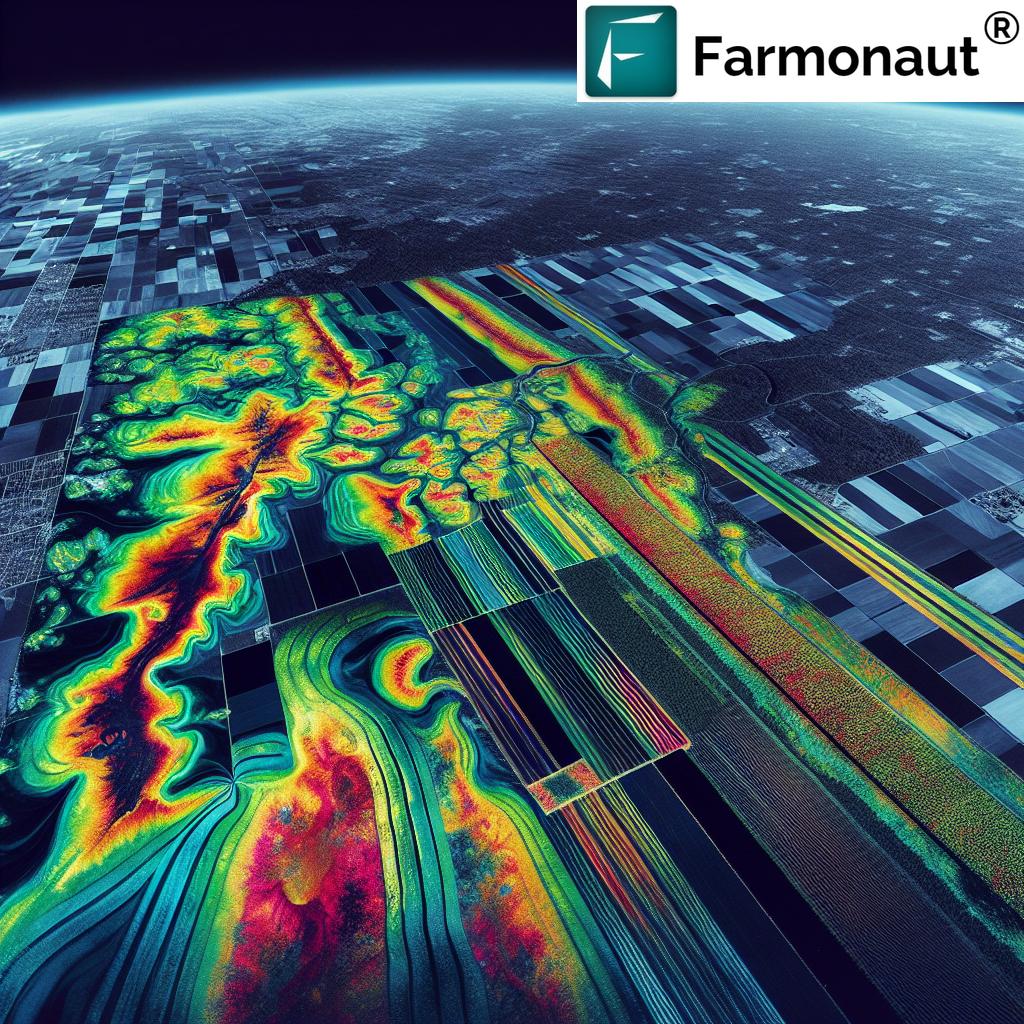
The smart farm of the future is built on real-time data and AI decision support—with satellite remote sensing, blockchain traceability, environmental monitoring, and mobile app integration at the core.
By leveraging Farmonaut’s Satellite Platform, stakeholders in agriculture, mining, and infrastructure benefit from:
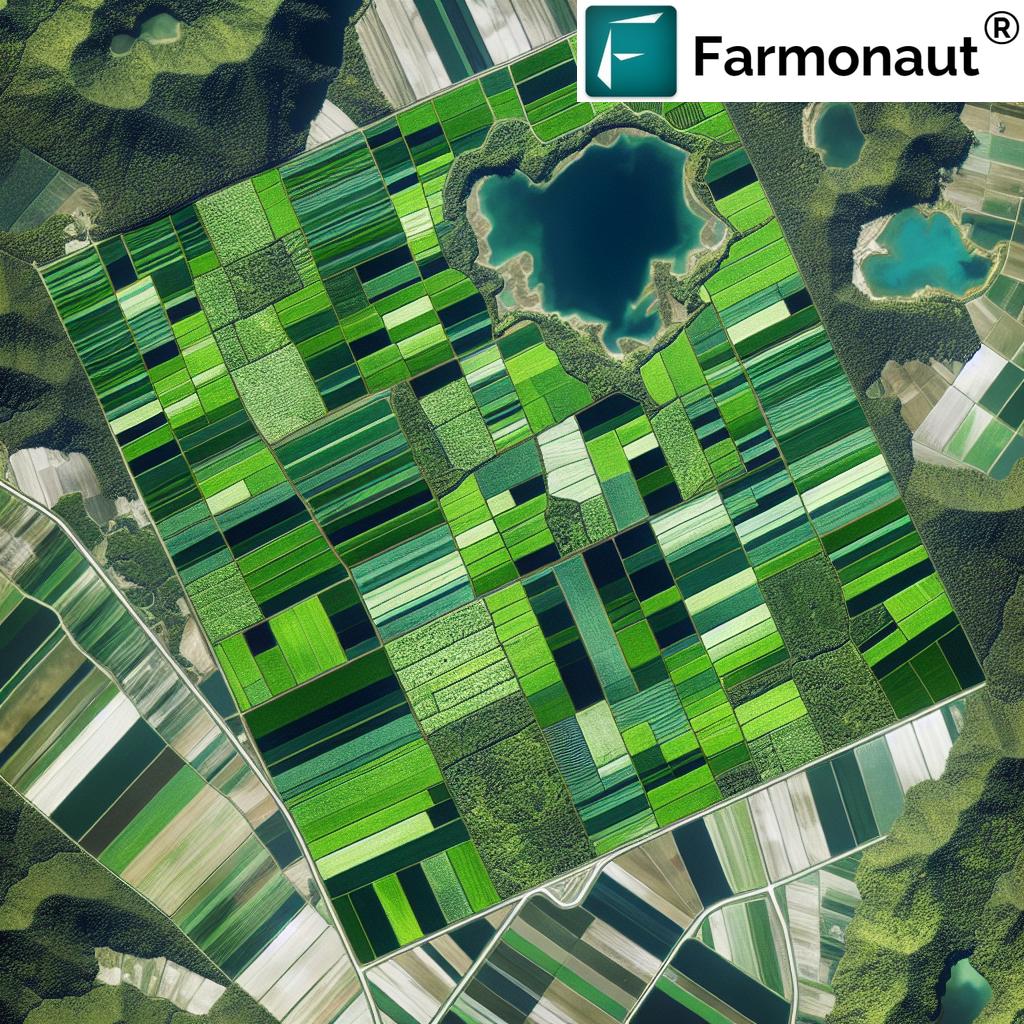
- ✔ NDVI and NDWI mapping: Ongoing, satellite-based health and water status analysis at plot and regional scales
- 📊 Real-time alerts: Identify irrigation system leaks, water stress, and yield instability before risks escalate
- 🛠 Seamless integration: APIs for automated data ingestion, plus mobile/web dashboards for on-the-go field management
Our platform is modular, affordable, and scales from smallholder fields to enterprise-level operations—supporting sustainable and efficient resource use in 2026 and beyond.


- 🤖 Data-Backed Decisions: Satellite, sensor, and AI insights for precise irrigation scheduling
- 📶 Remote Operation: Monitor and control systems from anywhere via app/APIs
- 🔗 Traceability and Transparency: Blockchain-powered supply chain proof for market access
- 🌱 Enhanced Sustainability: Lower input use, reduced emissions, greater soil and water conservation
- 🚀 Scalability: Suitable for both smallholders and large-scale farming or forestry operations

Comparative Performance Table: Irrigation Strategies
| Irrigation Strategy | Water Use Efficiency (% Estimated) | Estimated Yield Increase (%) | Resource Savings | Climate Resilience | Ideal Crops/Regions | Sustainability Impact |
|---|---|---|---|---|---|---|
| Sensor-Based Scheduling | 30-40% | 10-20% | Lower labor, fertilizer, energy | ⭐⭐⭐⭐ | All crops/regions | Reduces withdrawals, prevents over-irrigation |
| Precision Drip Irrigation | 85-95% | 20-35% | Saves water, fertilizer, reduces runoff | ⭐⭐⭐⭐⭐ | Vegetables, orchards, greenhouses | Enhanced soil health, minimal erosion |
| Water Harvesting/Reuse | 25-50% | 5-18% | Supplemental, reduces external withdrawals | ⭐⭐⭐ | Drylands, peri-urban, mining & forestry | Increases ecosystem resilience |
| Efficient System Design | 35-60% | 12-25% | Reduces energy & evaporative loss | ⭐⭐⭐⭐ | Field crops, rice, mixed agri | Lowers GHG emissions, saves resources |
| Crop & Soil Management | 20-40% | 8-15% | Reduces nutrient leaching; boosts water holding | ⭐⭐⭐⭐⭐ | Drought-prone & diverse cropping | Builds organic matter, improves drought resilience |
| Integrated Water Governance | 15-30% | Up to 10% | Reduces conflict, improves compliance | ⭐⭐⭐⭐ | Shared irrigation systems, community schemes | Supports equitable, sustainable system use |
| Digital Integration & Satellite Tools | 30-75% | 12-28% | Saves water, energy, improves traceability | ⭐⭐⭐⭐⭐ | Global—all crops/types | Supports monitoring, reduces footprints |
“Precision irrigation can reduce water usage by up to 50% while maintaining or increasing crop yields.”
“Climate-smart irrigation strategies can boost farm resilience to drought by as much as 30%.”
Applications Across Agriculture, Forestry, and Related Industries
Modern irrigation strategies play a transformative role across diverse sectors—far beyond traditional, open-field agriculture. Let’s break down the practical impact:
Agriculture: Field Crops, Orchards, and Nurseries
- ✔ Precision and sensor-driven irrigation stabilize yield and quality, especially for high-value crops like fruits, nuts, and vegetables.
- 📊 Reduces fertilizer leaching by timing irrigation to actual root uptake; digital traceability tools certify sustainable practices for market access.
- 🌱 Drip and subsurface irrigation minimize weed growth and disease risk, supporting organic and regenerative production.
Forestry and Agroforestry
- 🌳 Managed irrigation in young tree plantations accelerates reforestation, biomass production, and drought adaptation.
- 📊 Soil moisture sensors ensure irrigation only when needed—protecting water resources while supporting ecosystem recovery.
- ✔ Supports agroforestry integration for food, fodder, and commercial timber in variable climates.
Mining, Reclamation, and Extractive Industries
- 🪨 Post-mining land restoration demands controlled irrigation for establishing vegetation cover, dust management, and erosion control.
- 📊 Efficient, remote-monitored irrigation systems reduce water outflow to sensitive local ecosystems.
- 💡 Mining operators benefit from satellite-based environmental monitoring for regulatory reporting and loan/insurance verification.
Infrastructure and Supply Chains
- 🚛 Efficient irrigation management reduces the energy intensity of crop production and transport costs for agri-inputs.
- 🔗 Blockchain traceability ensures transparency and trust for certification bodies and discerning global markets.
- 🌎 Sustainable practices support certification, insurance, and credit access across the farming and agri-value chain.
Access our API |
Developer Docs
- 🍇 Agriculture: Yield and quality stability, sustainability certification
- 🌳 Forestry: Climate adaptation, faster restoration, better water use
- 🪨 Mining: Environmental compliance, vegetation establishment
- 🚚 Supply Chains: Transparency, access to new markets
Field Fact
Integrating digital irrigation data with supply chain traceability platforms is increasingly mandatory for top-tier export markets and sustainable certification schemes worldwide.


Benefits, Challenges & Future-Proofing Sustainable Water Use
Adoption of these seven core irrigation strategies brings a range of powerful benefits—but also introduces unique challenges and requirements, especially in the era of digital transformation and climate unpredictability.
Benefits of Climate-Resilient Irrigation Systems
- ✔ Yield stability: Consistent output even in drought or heat wave years
- ✔ Resource savings: Lower costs for water, energy, labor, and fertilizer per hectare
- ✔ Soil health improvement: Less erosion and nutrient leaching; stronger soil structure
- ✔ GHG & emission reductions: Fewer field operations; optimized pumping regimes
- ✔ Market resilience: Enhanced access to certification schemes and high-value supply chains
Challenges to Implementation
- ⚠ Initial capital requirement: Upfront investment for sensors, controllers, and drip lines
- ⚠ Capacity building: Need for ongoing farmer and operator training on digital tools and data
- ⚠ Maintenance and connectivity: Exposure to harsh conditions and rural connectivity gaps
- ⚠ Interoperability: Harmonization between old and new equipment, and data platforms
- ⚠ Policy adaptation: Aligning incentives, finance, and certification with changing climate realities
Key Insight
Implementing integrated, climate-resilient irrigation is not just a technical upgrade—it’s a full-systems transformation that requires buy-in across supply chains, technology providers, and regulatory frameworks.
Key Performance Indicators For Sustainable Irrigation
- 📊 Water Use Efficiency (WUE): Yield per cubic meter of irrigation water
- 📊 Irrigation Applicability Factor: Percentage of cropped area under efficient systems
- 📊 Energy Intensity: kWh per hectare or per ton of production
- 📊 Yield and Quality Stability: Output during drought or extreme weather years
- 📊 Reclaimed Water Utilization: Percentage of total irrigation sourced from harvested/reused water
- 📊 Soil Health Metrics: Organic matter, compaction, infiltration rates
- 📊 Certification Readiness: Compliance with global sustainable agriculture schemes
Policy, Research & Digital Transformation for 2025 & Beyond
Scaling climate-resilient irrigation requires government, research, and private-sector collaboration on key fronts:
- 🔖 Supportive finance and incentives: Subsidies and soft loans for irrigation system retrofits, micro-irrigation, and sensor adoption.
- 🌐 Open-data and decision-support platforms: User-friendly, localized weather and irrigation apps for all stakeholders.
- 🔬 Applied research: New studies on crop-specific scheduling, diverse soils, and low-cost sensor systems.
- 📜 Standards and certification: Robust guidelines for water reuse, groundwater protection, and digital traceability.
Modern irrigation sustainability isn’t just about technology—it’s about integrating policy, market signals, finance, and stewardship into a holistic system that can secure yields and livelihoods amid intensifying climate extremes.
Investor Note
Demand for certified, climate-smart crops grows globally. Early adopters of advanced irrigation and digital monitoring stand to access premium markets, carbon credits, and long-term sustainability incentives.
Your Path to Sustainable Irrigation Starts Here
Ready to embrace satellite-driven insights and sustainable irrigation management? Access Farmonaut’s affordable subscription plans—designed for every scale and sector—from farming to mining and infrastructure.
Frequently Asked Questions – Climate-Resilient Irrigation & Sustainable Yields
1. What is irrigation efficiency, and why is it crucial for sustainable agriculture?
Irrigation efficiency measures how much of the water applied reaches the plant root zone versus what’s lost to evaporation, runoff, or leaks. High efficiency means less water waste, better yields, and minimized energy and fertilizer use—making it foundational to sustainable agriculture, especially in water-scarce regions.
2. Which crops benefit most from precision irrigation technologies?
High-value crops like vegetables, fruits, nuts, and horticultural plants experience the biggest yield and quality gains from drip and precision irrigation. Field crops, forestry saplings, and agroforestry setups also benefit where efficient, targeted watering is implemented.
3. How do I choose the right irrigation strategy for my location?
Key factors include local climate, water availability, soil type, crop mix, infrastructure, and regulatory context. Leverage soil moisture sensors and satellite remote sensing platforms for diagnosis and site-specific planning.
4. Are digital decision-support tools and APIs suitable for small farms?
Absolutely. Digital platforms now offer affordable, modular solutions—enabling even smallholders to apply data-driven irrigation scheduling via mobile apps and APIs.
5. How does irrigation impact greenhouse gas emissions and carbon footprint?
Efficient irrigation cuts down on water and energy use, resulting in lower greenhouse gas emissions. Advanced monitoring (as provided by Farmonaut’s carbon footprinting tools) helps users quantify and manage their environmental impact.
6. What is the outlook for climate-resilient irrigation in 2026 and beyond?
Widespread adoption of sensor-based, digital, and nature-based irrigation will be crucial to meet intensifying climate challenges—delivering resilient, sustainable yields and supporting global food and environmental security.
Conclusion: Impact of Climate-Resilient Irrigation on Sustainable Agriculture (2025 Perspective)
As climate variability intensifies through 2026 and beyond, sustainable irrigation stands as a keystone for crop yield stability, resource stewardship, and environmental resilience—not only for farming, but also forestry, post-mining restoration, and infrastructure sectors across water-scarce regions.
By integrating precision technologies, data-driven scheduling, efficient system design, and robust soil and crop management, communities and businesses substantially reduce freshwater withdrawal, secure higher-quality yields, and unlock new opportunities for market certification and sustainability incentives.
Farmonaut is committed to democratizing access to state-of-the-art satellite-based monitoring and digital decision tools for users and industries globally. This empowers informed, site-specific actions that adapt to changing weather, market, and regulatory signals—safeguarding not just productivity but also the planet’s critical water and soil resources for future generations.
Ready to begin your own irrigation innovation journey? Explore our platform or access our API and developer tools to get started today!